
How Springfield IL Homeowners Face Foundation Water Challenges: Causes, Solutions, and Prevention
Living in Springfield, IL, you know our homes face unique challenges. Those clay-rich soils and over 34 inches of rain each year? They’re often the culprits behind foundation water problems that can quietly chip away at your home’s strength and comfort. We understand the worry a damp basement or a suspicious crack can bring. That’s why we’re here to walk you through everything: from understanding why your basement might be wet, to spotting the early signs of trouble, and discovering the proven waterproofing and repair methods that bring lasting peace of mind. We’ll even cover what to expect in terms of cost and time. Our goal at ABC Basement Waterproofing Springfield IL is to help you understand how our local soil, weather, and hydrostatic pressure interact, so you can choose the right solutions to protect your property’s value and your family’s health.
In this guide, we’ll cover the essentials to help you:
- Understand Common Foundation Water Problems in Springfield IL Homes
- Learn Diagnostic Techniques for Basement Water and Foundation Issues
- Discover Effective Basement Waterproofing Solutions
- Explore Foundation Repair Approaches for Water-Related Damage
- Implement Preventative Practices to Avoid Future Challenges
- Get a Clear Picture of Typical Costs and Timeframes for Waterproofing and Repair
- Find Answers to Your Homeowner Questions on Foundation Water Challenges
Common Foundation Water Problems in Springfield IL Homes
If you’re a homeowner in Springfield, IL, you might be wondering why your basement seems to struggle with water. Simply put, foundation water problems pop up when our local soil moisture and the pressure it creates (hydrostatic pressure) become too much for your home’s drainage and waterproofing to handle. This often leads to frustrating leaks, persistent dampness, and even structural cracks that can threaten your home’s long-term stability and your peace of mind.
How Springfield’s Soil and Climate Contribute to Foundation Water Issues
It all comes down to what’s beneath your home. Springfield’s soil is mostly silty clay loam, and it’s a bit of a sponge! It loves to hold onto water and, when saturated, it expands, pushing outward against your foundation walls with incredible force. Then, our famous seasonal freeze-thaw cycles add another layer of stress: as temperatures drop, the soil contracts, only to re-expand when it thaws. This constant movement creates tiny gaps around your home’s footings, weakening sealants and practically inviting water to seep into your basement concrete. Add to that our extremely wet springs and sudden, heavy downpours, and you’ve got a recipe for intense hydrostatic pressure, forcing groundwater right through your foundation’s pores and joints. Understanding these unique local soil-climate interactions helps explain why nearly 60% of homes in our area experience damp or wet basements at some point. You’re definitely not alone in this!
Types of Basement Water Intrusion Affecting Springfield Properties
When water finds its way into your Springfield basement, it usually shows up in one of three main ways:
- Seepage through concrete: This happens when that relentless hydrostatic pressure pushes water directly through the tiny pores in your block or poured-concrete walls.
- Crack leaks: Over time, your foundation can settle or concrete can shrink, creating small fissures that become direct channels for water to flow through.
- Groundwater infiltration: If your exterior drainage isn’t working, groundwater can sneak in through construction joints or even weep holes.
Often, these intrusion types work together, making moisture accumulation and the risk of mold even worse. It’s a common challenge, but one we can help you tackle.
Hydrostatic Pressure and Seasonal Changes Cause Foundation Damage
Think of hydrostatic pressure as a constant push, driving moisture right under your home’s slab and against your basement walls. Meanwhile, those freeze-thaw cycles we talked about? They act like a relentless wedge, widening any existing cracks. Over time, these combined forces can lead to serious issues: you might start seeing vertical, horizontal, or even stair-step cracks. These aren’t just cosmetic; they can misalign door frames, cause interior walls to buckle, and even create uneven floors. It’s a clear sign your foundation is under stress.
This table helps illustrate how our local environment can team up to put your foundation at risk, leading us right into how you can spot these issues yourself.
Signs of Foundation Cracks and Water Damage in Springfield Homes
Your home often gives you clues when something’s not right. Keep an eye out for these common “red flags” that might signal foundation cracks or water damage:
- Cracks: Look for hairline cracks or wider fissures in your poured concrete or block mortar joints.
- White Deposits (Efflorescence): See powdery white mineral deposits on your walls? That’s efflorescence, a tell-tale sign of persistent moisture trying to escape.
- Musty Smells & Mold: A persistent musty odor or visible mold growth is a clear indicator of trapped humidity and a potential health risk.
- Bowing or Bulging Walls: If your basement walls appear to be tilting inward or bulging, it’s a serious sign of immense soil pressure.
Spotting these signs early is crucial. If you notice any of them, it’s time to investigate further or, even better, contact our ABC Basement Waterproofing Springfield IL professionals for a comprehensive, no-obligation evaluation. We’re here to help you understand what’s happening.
Diagnosing Basement Water and Foundation Problems
Key Indicators of a Wet or Leaking Basement
If your basement is struggling with water, it will often show clear signs. Look for damp spots on your walls, unexpected puddles on the floor, visible mold colonies, or a persistent humidity level above 60%. A simple trick is to run a moisture meter along your walls or observe if condensation forms on pipes during humid days – these are strong confirmations of active water intrusion. Paying attention to these indicators can help pinpoint exactly which wall sections or floor joints might need our targeted repair and waterproofing solutions.
Identifying Different Types of Foundation Cracks and Their Severity
Not all cracks are created equal. Understanding the type of crack you’re seeing can give you a clue about its severity:
- Vertical Cracks: These often run up and down and are usually a result of concrete shrinkage. While they can allow water in, they typically pose a lower structural risk.
- Horizontal Cracks: These are a more serious concern. They run sideways and often indicate significant lateral soil pressure against your foundation, signaling a high risk of wall instability.
- Stair-Step Cracks: Found in block walls, these cracks follow the mortar joints in a stair-step pattern. They strongly suggest uneven foundation settling and usually require prompt reinforcement.
When you’re looking at a crack, pay attention to its width (is it less than 1/8″ or wider than 1/4″?) and if it continues across the wall. This helps us determine the urgency and the best repair technique for your home.
When to Call a Professional for Foundation Water Issues
While it’s great to know the signs, sometimes you just need an expert eye. It’s definitely time to call a foundation waterproofing or repair contractor if you notice:
- Cracks that are wider than 1/4″.
- Walls that are bowing inward more than 1/2″ over an 8-foot span.
- Persistent leaks that keep coming back, even after you’ve tried temporary fixes.
A professional evaluation isn’t just about fixing the problem; it’s about accurately understanding the underlying soil-pressure dynamics unique to your home and getting the right, lasting solution. Reaching out to our ABC Basement Waterproofing Springfield IL team early can save you a lot of stress and prevent minor seepage from turning into much more costly structural failures down the road.
Effective Basement Waterproofing Solutions for Springfield IL Homes
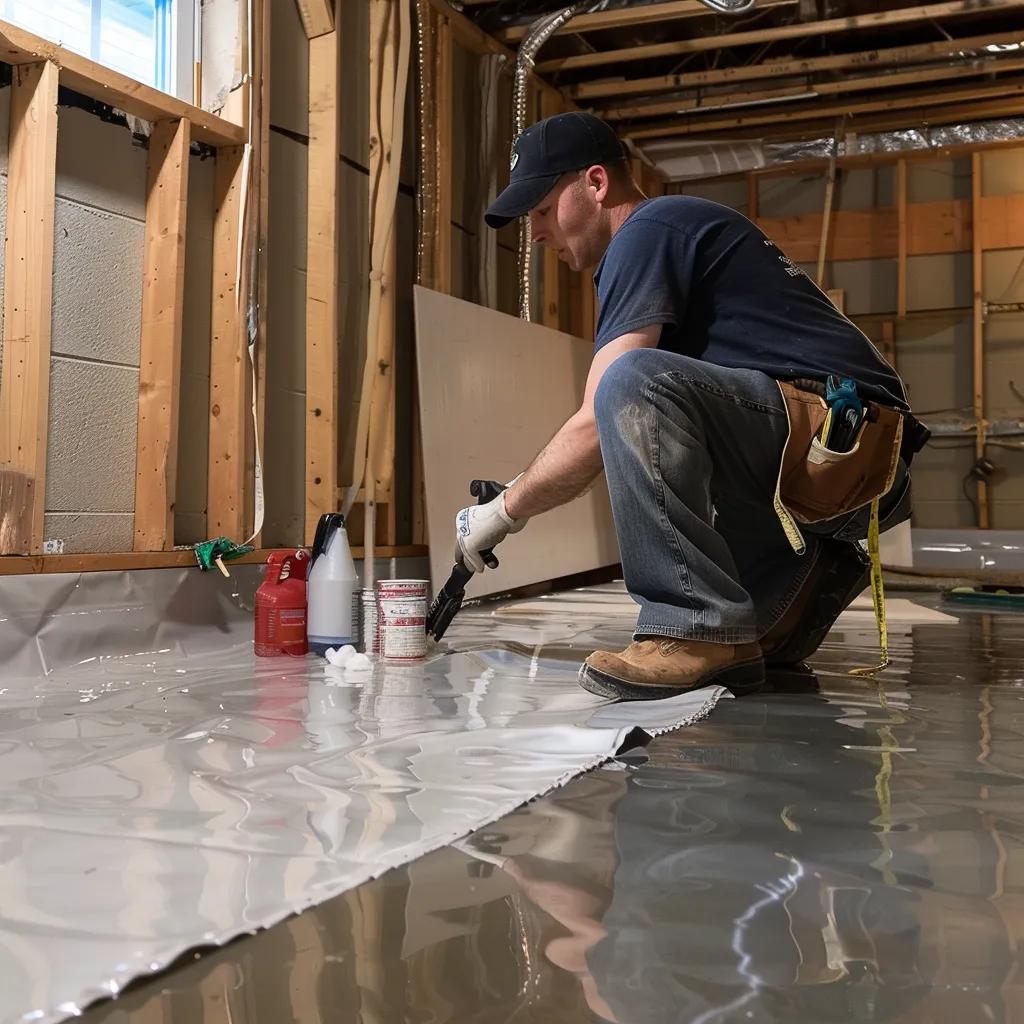
Interior and Exterior Basement Waterproofing Methods Compared
When it comes to keeping your Springfield basement dry, we often use a combination of interior and exterior defenses. The goal is always the same: to block water from getting in, channel any groundwater away, and create a truly dry, healthy environment for your home.
Role of Drainage Systems and Sump Pumps in Preventing Water Damage
These are your basement’s best friends when it comes to water prevention! Drain tile systems, installed around your home’s footing, work by relieving that hydrostatic pressure we talked about, channeling groundwater safely into a sump pit. From there, a reliable, often battery-backed, sump pump takes over, expelling the water far away from your home’s perimeter. This powerful duo effectively lowers the water table right next to your foundation, virtually eliminating basement flooding, even during those unexpected power outages.
For even greater peace of mind, smart pump monitors and alarms can add an extra layer of reliability, ensuring continuous performance and alerting you during heavy rain events.
Crawl Space Encapsulation for Moisture and Mold Control
If you have a crawl space, you know it can be a hidden source of moisture problems. Crawl space encapsulation is a game-changer. It involves lining the dirt floors and walls with heavy-gauge vapor barriers and sealing off vents, transforming that damp, musty area into a dry, conditioned environment. A dehumidifier, often regulated by a smart humidity sensor, then maintains moisture levels below a healthy 45%, effectively stopping mold growth in its tracks and protecting your floor joists from rot. This service works hand-in-hand with basement waterproofing, tackling a major source of humidity and strengthening your home’s overall moisture management for a healthier living space.
Foundation Repair Services Addressing Water-Related Damage in Springfield IL
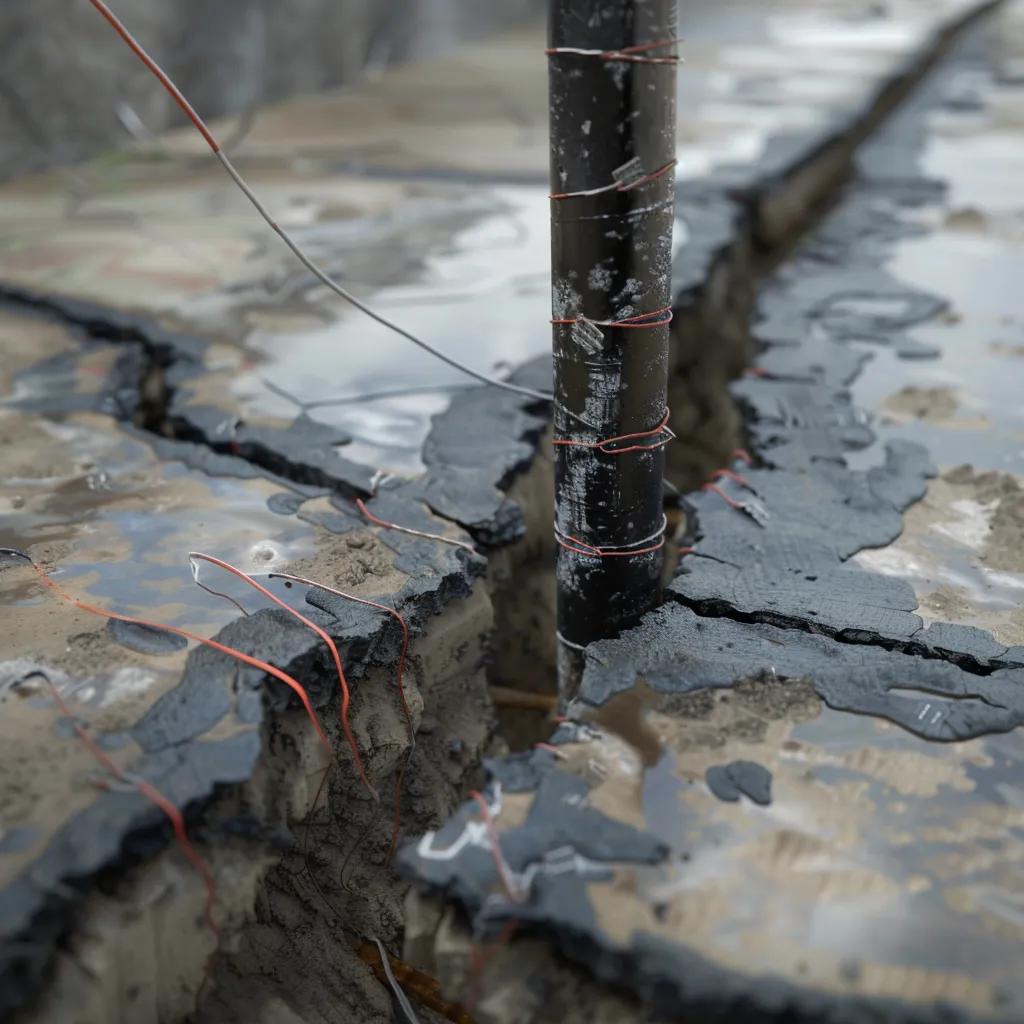
Most Common Foundation Crack Repair Techniques
When it comes to repairing those troublesome foundation cracks, we have proven techniques to restore your home’s integrity:
- Epoxy Injection: This method is perfect for sealing narrow structural cracks, effectively bonding the concrete back together.
- Polyurethane Foam Injection: For irregular voids or active water leaks, this foam expands to fill the space, creating a flexible, watertight seal that blocks water flow.
- Carbon Fiber Straps: These incredibly strong straps are applied over horizontal cracks to reinforce walls against relentless lateral soil pressure and prevent further bowing.
Bowing Wall Repair Performed to Restore Structural Integrity
A bowing wall can be a frightening sight, but it’s a problem we can effectively address. We straighten bowing walls using robust steel wall anchors or helical tiebacks. These systems work by transferring the immense soil loads to stable ground far beyond your wall. Inside, interior wall plates, combined with exterior deadmen, create tension systems that gently and gradually return your walls to their original, plumb position. This crucial intervention doesn’t just stop further bowing; it completely re-establishes a secure, load-bearing configuration for your home, giving you back your peace of mind.
Benefits of Combining Waterproofing with Foundation Repair
For the most comprehensive and lasting protection for your Springfield home, we often recommend combining waterproofing with foundation repair. This integrated approach delivers powerful benefits:
- It stops active leaks dead in their tracks and prevents frustrating recurring seepage.
- It reinforces your walls against future soil pressure, especially after we’ve stabilized any cracks.
- It significantly extends the lifespan of both your foundation materials and any waterproofing membranes we install.
This smart, integrated strategy isn’t just about fixing problems; it’s about reducing your long-term maintenance costs and truly safeguarding your interior living spaces from both moisture and structural risks. It’s about protecting your investment.
Preventing Future Foundation Water Challenges
Effective Yard Grading and Gutter Maintenance Practices
Sometimes, the simplest steps can make the biggest difference in preventing future water issues. Two key areas to focus on are your yard’s grading and your gutters:
- Yard Grading: Make sure your yard slopes away from your foundation, ideally dropping at least 6 inches over the first 10 feet. This simple slope directs surface runoff away from your walls, preventing water from pooling.
- Gutter Maintenance: Regularly clean your gutters to prevent clogs, and ensure your downspouts extend at least 5 feet away from your home. This prevents water from overflowing right next to your foundation, where it can easily seep in.
Consistent maintenance of these exterior elements is your first line of defense. It ensures proper water diversion and significantly reduces hydrostatic pressure on your foundation.
Regular Sump Pump Inspection Prevents Failures
Your sump pump is a critical defense against basement flooding, and a little proactive care goes a long way. We recommend biannual inspections that include:
- Testing the float switch to ensure it activates properly.
- Clearing the intake screen of any debris.
- Verifying the integrity of the discharge line to ensure water flows freely.
Crucially, always check your battery backup’s health before storm season hits. A well-maintained sump pump is your best safeguard against catastrophic flooding events, giving you peace of mind even during the heaviest rains.
Best Mold Prevention Strategies for Damp Basements
Mold is a common concern in damp basements, but you can take proactive steps to keep it at bay:
- Control Humidity: Aim to maintain indoor relative humidity below 50%. A good dehumidifier can be a huge help here.
- Choose Wisely: Consider using mold-resistant paints on your basement walls.
- Improve Airflow: Installing air-exchange ventilators can significantly reduce mold proliferation.
Beyond these, always promptly repair any leaks you find and replace any wet insulation immediately. Taking these measures works hand-in-hand with professional waterproofing, creating a consistently dry, healthy interior environment for your family.
Typical Costs and Timeframes for Basement Waterproofing and Foundation Repair in Springfield IL
Factors Influencing the Cost of Basement Waterproofing Services
We know that understanding the investment is important. The cost of basement waterproofing can vary, and it’s influenced by several key factors unique to your home:
- The specific soil conditions and groundwater levels around your property.
- The overall size of your basement and the height of its walls.
- Whether an interior or exterior waterproofing system is the best fit for your needs.
- Any specific sump pump or dehumidifier requirements to ensure lasting dryness?
That’s why an accurate, on-site evaluation by our ABC Basement Waterproofing Springfield IL specialists is so crucial. It allows us to provide you with a tailored estimate and discuss any financing options available, ensuring complete transparency.
Foundation Repair Process Timeframes
We understand you want your home back to normal as quickly as possible. Here’s a general idea of typical project timeframes:
- Most foundation crack repairs and lighter waterproofing installations are completed efficiently, usually within 3–5 days.
- For more extensive projects like full exterior excavation and membrane application, it typically takes 5–7 days, depending on weather conditions and site access.
- Crawl space encapsulation projects are often completed quite quickly, usually finishing in 2–3 days.
Our goal is always timely scheduling and efficient work from our crews to minimize any disruption to your family’s routine.
Availability of Free Estimates and Warranties for Springfield Homeowners
Absolutely! We believe in complete transparency and standing behind our work. That’s why:
- We provide no-obligation, free onsite estimates that clearly outline the scope of work, the cost, and the projected schedule. You’ll know exactly what to expect.
- Our services come with robust, transferable warranties on both materials and workmanship. These range from 10 years on waterproofing membranes to lifetime coverage on structural repairs, giving you incredible long-term confidence.
This commitment isn’t just about a service; it’s about ensuring your clarity and providing you with long-term confidence in your property’s protection.
Common Homeowner Questions About Foundation Water Challenges
Causes of Basement Flooding in Springfield, IL
Basement flooding can be incredibly frustrating, and it’s usually a combination of factors:
- Poor Exterior Drainage: If water isn’t directed away from your home, it will find a way in.
- Sump Pump Issues: A malfunctioning sump pump is a common culprit, especially during heavy rains.
- Blocked Gutters: Overflowing gutters dump water right next to your foundation.
- Heavy Rainfall & Clay Soils: Our Springfield clay soils get saturated quickly, raising that hydrostatic pressure against your foundation.
- Aging Seals & Pipe Penetrations: Over time, seals around pipes can weaken, creating easy entry points for water.
Potential for Mold Growth in a Flooded Basement
Absolutely, and it’s a serious concern. A flooded basement creates the perfect storm for mold: persistent high humidity and water-soaked materials. Mold colonies can start to grow within just 24–48 hours! These spores love porous surfaces like wood, drywall, and insulation, and if left untreated, they can pose significant health risks to your family.
Detecting Sump Pump Failure Early
Being proactive about your sump pump can save you a lot of headaches. Here are some early warning signs to watch for:
- Irregular or Continuous Cycling: If your pump turns on and off too frequently or runs constantly without much water, it could signal an issue.
- Unusual Noises: Grinding, rattling, or loud humming sounds are not normal.
- Rising Water Levels: If the water in your sump pit is rising above the float activation point, your pump isn’t keeping up.
For ultimate peace of mind, consider installing a pump-failure alarm with remote alerts. This allows you to intervene quickly, often before any flooding even occurs.
When Crawl Space Encapsulation Is Necessary
If you’re noticing any of these issues, crawl space encapsulation might be the perfect solution for your home:
- Your crawl space humidity consistently exceeds 60%.
- You see visible mold appearing on your joists or other surfaces.
- You feel cold drafts entering your living spaces from below.
Encapsulation does more than just control moisture; it actively prevents energy loss, significantly minimizes moisture-related damage, and dramatically improves your indoor air quality by completely sealing out ground moisture. It’s an investment in your home’s overall health and comfort.
We truly understand that foundation water challenges in Springfield, IL, can feel overwhelming, threatening your home’s safety and even its value. But here’s the good news: by recognizing issues early, choosing the right, proven waterproofing and repair methods, and adopting smart preventative practices, you absolutely can maintain a dry, stable basement year-round.
Our basement waterproofing Springfield IL team isn’t just about fixing problems; we’re about delivering tailored solutions, providing transparent, free estimates, and offering lasting warranties that genuinely protect your property against relentless soil pressure, hydrostatic forces, and the risks of mold. Don’t let water worries weigh you down. Contact us today to schedule your complimentary evaluation and take the first step toward securing a dry, resilient foundation for your home for years to come. Your peace of mind is our priority.