
Top Tips for Effective Basement Wall Waterproofing
Top Tips for Effective Basement Wall Waterproofing in Springfield, IL
A damp basement undermines a home’s lifespan and can create health and structural problems. For Springfield, IL homeowners, a clear approach to basement wall waterproofing makes the difference between a nuisance and a lasting fix. This guide breaks down what causes water to get into walls, how to recognize signs like efflorescence and mold, and which exterior and interior measures actually reduce hydrostatic pressure and moisture movement. You’ll find practical steps for grading, gutters, and French drains, plus interior options such as waterproof coatings, crack repairs, interior perimeter drains, and sump pumps with battery backup. We also cover humidity control—dehumidifiers and ventilation—and explain when it’s time to call in a pro. Throughout, we factor in Springfield soil and storm patterns, compare common approaches, and provide maintenance tips to keep your basement dry year‑round.
What Causes Basement Wall Water Intrusion and How to Identify It?
Water gets into basement walls when groundwater or surface runoff finds a path through concrete, mortar joints, or cracks. The main drivers are hydrostatic pressure and poor surface drainage: saturated soil pushes water toward lower‑pressure interior spaces, and porous concrete, gaps, or clogged downspouts give it a route in. Pinpointing the cause matters because fixes are different—some redirect water at the surface (grading, gutters) while others seal or drain it away (crack repair, interior drains). Below we explain how hydrostatic pressure works and list the common signs homeowners can use to diagnose problems early.
How Does Hydrostatic Pressure Affect Basement Walls?
Hydrostatic pressure is the sideways force of water in saturated soil pressing on foundation walls. It rises after heavy rain, quick snowmelt, or when the water table is high. That pressure pushes moisture through concrete pores and exploits cracks, joints, or gaps to create active leaks. Over time, it can cause structural issues like bowing walls or stair‑step cracks in masonry. To control hydrostatic pressure you must lower soil saturation around the footing—either with exterior drainage or by installing interior perimeter drains that capture water before it breaches the wall. Knowing this mechanism points to the practical signs to watch for so you can tell whether pressure‑driven water is the likely cause.
What Are the Common Signs of Basement Wall Moisture and Damage?
Moisture problems show up in visible and olfactory ways: white powdery efflorescence, peeling paint, damp patches, and a musty smell are all signs of persistent water movement. Mold or mildew indicates prolonged high humidity that can affect occupants’ health, while horizontal cracks, stair‑step patterns in block walls, and bulging or bowed walls point to structural stress from water and soil pressure. You can perform simple checks—take photos of recurring damp spots after storms and note when they appear relative to rainfall—to document patterns before you call a pro. That documentation helps target the right interventions, starting with exterior drainage measures that keep water away from foundation walls.
How Can Exterior Drainage Solutions Prevent Basement Water Problems?
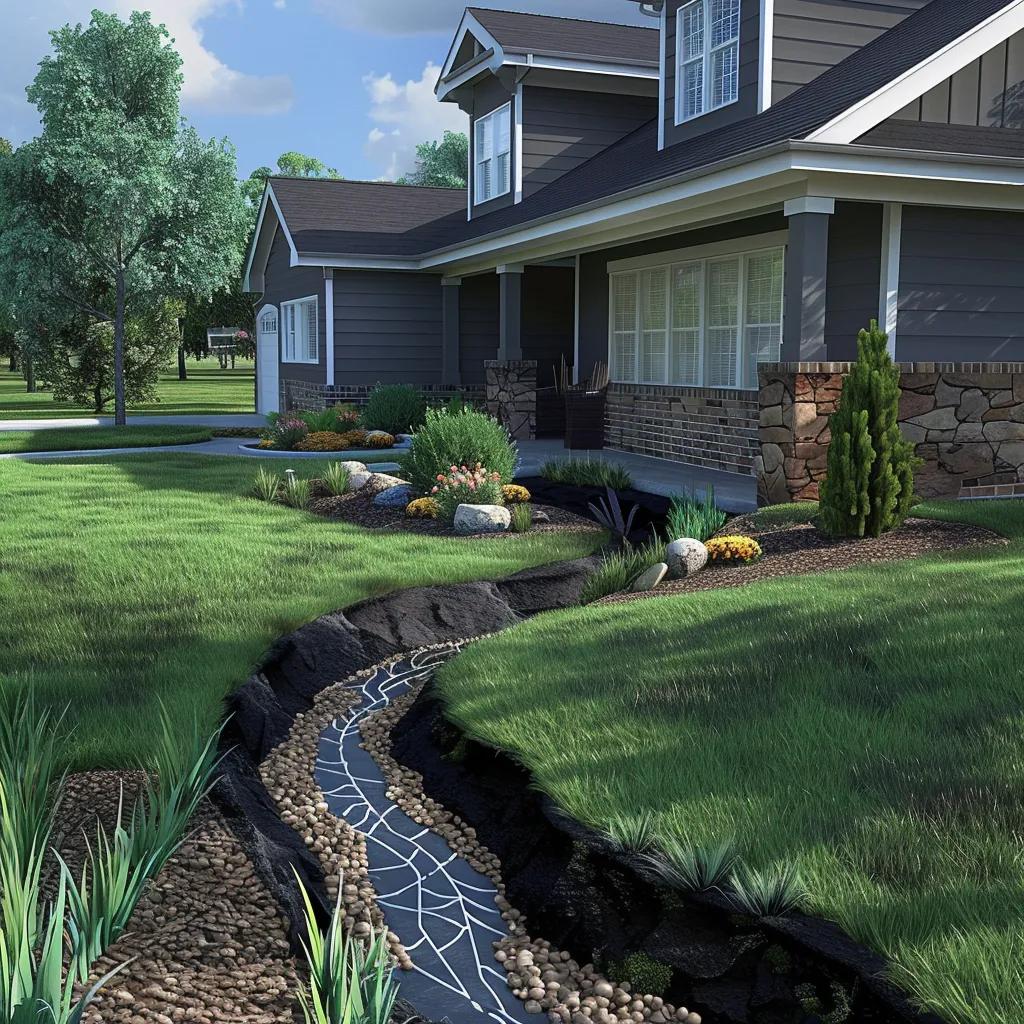
Exterior drainage keeps surface runoff moving away from your foundation and lowers the groundwater level around the footings, which in turn reduces hydrostatic pressure on basement walls. The primary exterior strategies—proper grading, working gutters and downspouts, and French drains—work together to divert water where it won’t harm your foundation. For many Springfield homes, regrading plus downspout extensions and targeted French drain work is a cost‑effective first line of defense. Below are practical exterior actions you can take yourself or hire a contractor to handle, followed by a quick comparison of common exterior approaches.
Exterior drainage best practices include the following steps:
- Grade soil to slope away from the foundation, aiming for at least a six‑inch drop over the first 10 feet so runoff moves outward.
- Keep gutters clean and extend downspouts 6–10 feet from the foundation or to a safe discharge point to avoid pooling at the footings.
- Install French drains or perimeter drains where grading and gutters can’t manage water—especially on poorly draining soils.
These measures cut the volume of water reaching the foundation and lower hydrostatic pressure. The comparison table below outlines trade‑offs and maintenance notes for each exterior solution.
In short, gutters and grading are low‑cost first steps; when groundwater persists, an exterior French drain is the most reliable defense—but interior options exist when exterior excavation isn’t practical.
Why Is Proper Grading Essential for Basement Waterproofing?
Good grading is your first defense: it forces rainwater to flow away from the house. A practical rule is at least a six‑inch fall over the first ten feet away from the foundation. You can test slope after rain—if water pools near the foundation instead of running off, the grade needs work or is blocked. DIY fixes include adding topsoil to low spots, creating swales, or using splash blocks, but major regrading that affects drainage patterns or buried utilities should be handled by a pro. If grading alone won’t keep groundwater down, combine it with improved gutter routing or subsurface drainage to better manage hydrostatic pressure.
What Are the Benefits of French Drain Installation for Basement Protection?
A French drain uses a perforated pipe wrapped in filter fabric and surrounded by gravel to collect and direct subsurface water away from foundations before hydrostatic pressure forces it through walls. It reduces soil saturation near the footing and works well where surface grading is limited or soils drain poorly. Maintenance is fairly low—inspect discharge points periodically and ensure the filter fabric is intact—but initial installation requires excavation and skilled workmanship. Often, an exterior French drain paired with proper grading gives long‑term protection; if exterior work isn’t possible, an interior perimeter drain and sump system provides a solid alternative.
What Are the Best Interior Basement Wall Waterproofing Methods?
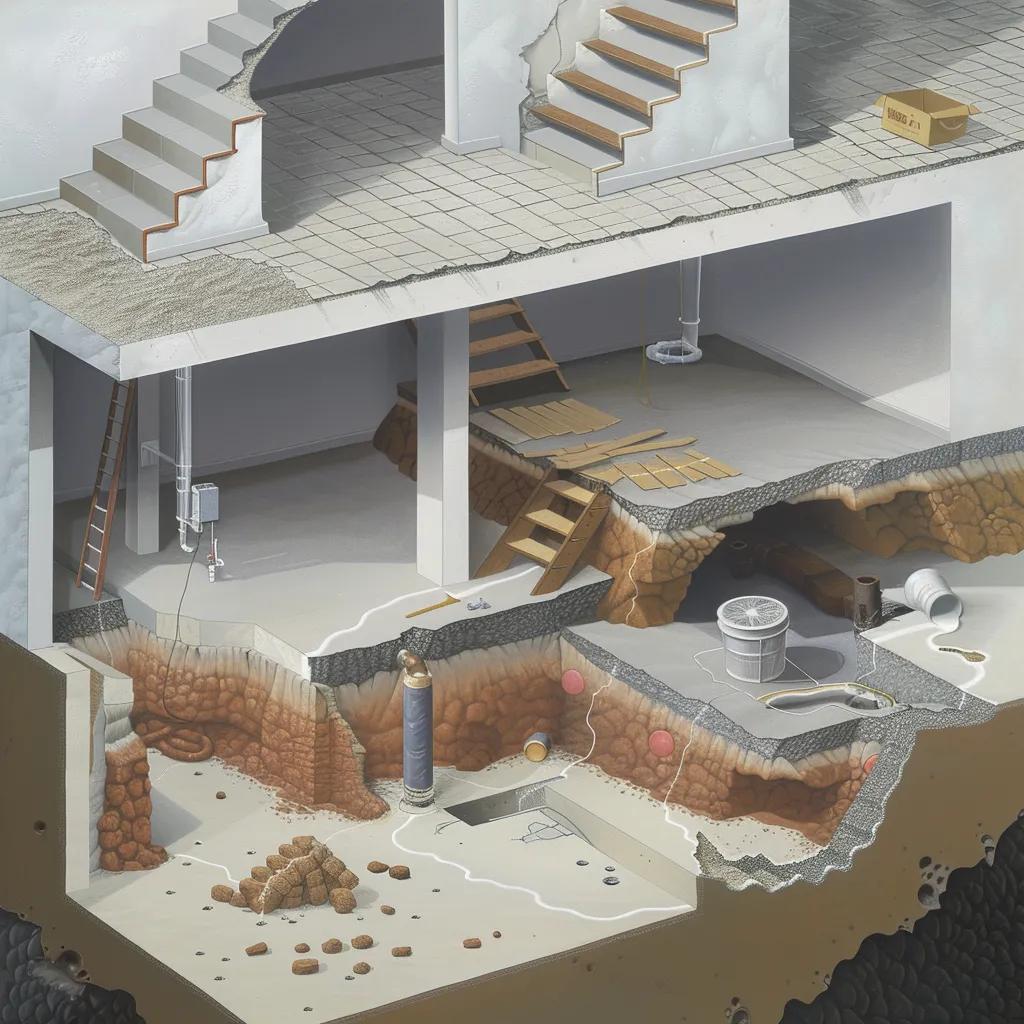
Interior waterproofing focuses on sealing wall surfaces, repairing cracks, and managing water that reaches the foundation edge. These methods work when exterior excavation isn’t feasible or as part of a combined strategy. Common interior solutions include masonry coatings and sealants, hydraulic cement for active leaks, epoxy injections for structural cracks, and interior perimeter drains routed to a sump pump. The right choice depends on whether the issue is surface dampness, active seepage, or structural damage. The table below compares typical interior options by effectiveness, cost, complexity, and expected lifespan.
Professional interior systems often pair a sealing product with a drainage solution for the best long‑term result. If you’d rather leave installation to local specialists, our Springfield team can handle evaluation and full system installs. With that in mind, here’s a summary of common interior choices and when to use them.
Coatings work for non‑pressurized dampness. Interior perimeter drains and structural repairs handle active water and load‑bearing concerns—next we cover preparing walls and choosing coatings.
How to Prepare Basement Walls for Waterproofing?
Preparation starts with cleaning and removing efflorescence so coatings or injections can bond to sound concrete. Use mechanical or chemical cleaning where appropriate, then document cracks, spalls, or delamination to choose targeted repairs—hydraulic cement for active leaks, epoxy for structural joints. Moisture testing with a simple tape test or a moisture meter helps you tell the difference between surface dampness and active water migration that needs drainage. If mold is present, take safety seriously: wear proper PPE during cleaning and consider professional remediation for large infestations before applying sealants. Proper prep sets up whichever coating or drainage system you select.
Which Waterproof Coatings and Sealants Are Most Effective?
Coatings range from basic masonry paints to elastomeric membranes and crystalline systems. Elastomeric or membrane coatings are flexible and handle minor movement and hairline cracks, while crystalline products react within the concrete to block pores and suit porous surfaces. That said, coatings alone won’t stop significant hydrostatic pressure or structural cracking. Lifespans vary—simple paints may need reapplication every 3–7 years, while higher‑performance membranes last longer—so match the coating to the problem: surface dampness versus active seepage. For complex cases, professional application ensures the product performs as intended.
How Do Interior Water Management Systems Protect Basements?
Interior water management systems collect groundwater at the foundation perimeter and remove it before it soaks walls and floors, protecting finishes and lowering humidity. Typical systems combine an interior perimeter drain (a trench and pipe inside the footing line) with a sump basin and pump to discharge the water away from the house. These solutions are especially useful when exterior work is limited. When choosing equipment, match pump type, battery backup, and alarm features to local flood risk and power reliability. The table below compares common sump pump configurations for Springfield homes and outlines recommended maintenance intervals.
Below is a comparison of sump pump options and backup features to help you choose the best system for your home’s risk profile.
Combining a reliable submersible pump with battery backup and an alarm gives the highest dependability. Regular maintenance keeps these systems ready when you need them most.
What Are the Advantages of Sump Pump Installation in Springfield IL?
A properly installed sump pump reduces the risk of basement flooding during Springfield’s seasonal storms and rapid snowmelt, which can raise the water table. The right‑sized pump moves water quickly, protects finishes and stored items, and can limit insurance exposure when used with other waterproofing measures. Battery backups are particularly valuable here because storms sometimes cause power outages, and alarms give early notice of failures. Professional sizing and installation improve reliability, and routine maintenance keeps the system ready for peak events.
How to Maintain Sump Pumps and Battery Backups for Reliability?
Keep your sump pump ready with a simple maintenance schedule: check the float and discharge line monthly, inspect the basin for sediment twice a year, and run a full load test at least once a year to confirm cycling and discharge capacity. Test battery backups under simulated outage conditions every 3–6 months and replace batteries per the manufacturer or when capacity drops; keep a spare battery accessible. Install an alarm or smart monitor to alert you of pump failure or high water. If you’d rather not handle upkeep, local contractors in Springfield offer inspection and service plans to keep everything in working order.
How Can Basement Humidity Control and Ventilation Prevent Mold and Damage?
Controlling humidity and ventilation reduces condensation and limits mold risk by keeping relative humidity (RH) in the recommended 30%–50% range for basements. Dehumidifiers remove moisture from the air, while mechanical ventilation exchanges humid indoor air with drier outdoor air when appropriate. Insulating walls and sealing rim joists with vapor barriers cut down on cold surfaces where condensation forms. When combined with proper drainage, these HVAC and humidity strategies create a managed environment that protects finishes and occupant health. The sections below help you choose dehumidifiers and ventilation approaches for healthy basement air.
Why Are Dehumidifiers Important for Basement Moisture Control?
Dehumidifiers keep RH in check by removing moisture from the air, which prevents mold growth and improves comfort. Choose a unit sized by pints/day for your basement square footage and moisture level: moderately damp spaces often need a mid‑size unit, while very damp or finished basements may require high‑capacity or whole‑basement models. Consider energy efficiency and condensate handling (pump versus gravity drain). Clean filters regularly and schedule annual servicing to maintain performance and efficiency. When paired with good drainage and insulation, proper dehumidification completes a comprehensive moisture control plan.
How Does Proper Ventilation Improve Basement Air Quality?
Ventilation reduces stagnant air and minimizes humidity spikes that cause condensation, but it must be used seasonally and carefully to avoid drawing in humid outdoor air in summer. Mechanical ventilation with heat recovery or targeted exhaust fans can provide controlled air exchange with minimal energy loss. Pairing ventilation with dehumidification stabilizes indoor conditions and limits mold growth. Simple DIY checks—use a hygrometer to watch RH and note condensation patterns—help you decide whether active ventilation is needed. If problems persist, seek a targeted professional assessment.
When Should You Call Professionals for Basement Wall Waterproofing and Foundation Repair?
If you notice structural signs—major horizontal cracks, bowed walls, stair‑step masonry cracks, or recurring flooding despite DIY fixes—it’s time to call a professional for inspection and repair. Experts assess structural risk, run diagnostic tests (moisture mapping, soil analysis), and recommend a tailored system that may include foundation repair, perimeter drainage, or combined interior/exterior solutions suited to local soils and climate. Early professional intervention usually saves money and prevents more extensive damage. The checklist below helps you decide when a contractor is warranted.
When to seek expert assessment:
- Structural Cracks: Horizontal, wide, or stair‑step cracks that indicate movement or settlement.
- Bowing or Bulging Walls: Any inward displacement suggests soil pressure exceeding wall capacity.
- Persistent Leaks: Recurring water intrusion after surface fixes or a sump installation indicates deeper problems.
These red flags typically require professional diagnostics and, often, structural repairs such as piering, epoxy injection, or targeted excavation. The next subsection explains how Springfield specialists approach long‑lasting solutions.
What Basement Issues Require Expert Assessment and Repair?
Call an expert for major cracks larger than hairline size, repeated flooding despite DIY measures, signs of foundation settlement, or any wall bowing that threatens stability. Professionals differentiate cosmetic cracks from structural failure and apply the right remedies—epoxy injections for some cracks, pressure relief and drain systems for active seepage, or foundation stabilization where settlement exists. Prompt evaluation prevents escalation and helps you prioritize repairs that balance cost with long‑term protection. Knowing likely remedies also helps you compare contractor proposals and choose the right solution for Springfield conditions.
How Do Local Springfield IL Experts Ensure Long-Lasting Waterproofing Solutions?
Local professionals produce durable results by diagnosing how soil type, water table behavior, and house grading interact at your site, then specifying systems designed for those conditions—exterior drainage, interior perimeter drains, or foundation reinforcement as needed. Quality work includes correct material selection, proper installation techniques, and clear documentation of the system and required maintenance so you know what to expect. Warranties and maintenance plans add peace of mind. Springfield contractors also account for seasonal storms and occasional outages by recommending battery backups and monitoring where appropriate. Working with a local expert delivers a practical, tailored approach that integrates drainage, waterproofing, and humidity control to keep your basement dry.
If you’d like expert help, our Springfield waterproofing team offers assessments and complete installations to fit your home and budget.
Frequently Asked Questions
What is the best time of year to perform basement waterproofing?
Late spring or early fall are usually the best times for waterproofing. Drier conditions make it easier to evaluate existing moisture issues and let coatings and drainage work cure properly before heavy rain or snowmelt. Scheduling work outside of the wettest months helps ensure the repairs perform as intended.
How can I tell if my basement waterproofing system is working?
Check for damp spots, new mold, or musty odors, especially after heavy rain. Verify that sump pumps activate and discharge correctly during wet weather, and inspect drains and downspouts for proper flow. Keeping a simple maintenance log and noting performance after storms makes it easier to spot problems early.
Can I waterproof my basement myself, or should I hire a professional?
DIY can handle minor tasks—cleaning gutters, applying sealants, or improving grade in small areas. But significant water intrusion, structural cracks, or installing perimeter drains and sump systems usually require professional expertise. Pros provide durable, code‑compliant solutions tailored to local conditions and can save time and future costs from improper repairs.
What are the costs associated with basement waterproofing?
Costs vary widely by scope. Small fixes like sealants may run a few hundred dollars; interior perimeter drains, sump systems, or exterior French drains can be several thousand. Get multiple quotes, compare warranties and maintenance requirements, and weigh long‑term value—quality work now often costs less than repeated repairs later.
How often should I inspect my basement for water issues?
Inspect your basement at least twice a year—spring and fall—and after heavy rain or rapid snowmelt. Look for signs of moisture, mold, and structural changes. Regular checks help catch problems early and reduce the chance of expensive repairs.
What should I do if I find mold in my basement?
Address mold quickly by removing the moisture source first. Small areas can often be cleaned with detergent and water or a commercial mold cleaner while wearing protective gear. For widespread mold, health concerns, or recurring growth, hire a professional remediation service to ensure safe and thorough removal before you repair and waterproof the area.
Conclusion
Keeping basement walls dry protects your home’s structure and your family’s health. A combination of exterior fixes—grading, gutters, and French drains—and interior measures—coatings, perimeter drains, and sump systems—gives the best long‑term protection. Add humidity control and routine maintenance, and you’ll greatly reduce the risk of flooding and mold. For a tailored plan that fits Springfield soils and weather, contact local experts who can assess your property and recommend the right mix of solutions. Start with an inspection and a simple action plan to keep your basement dry and secure.